

Ever Googled painting services in Perth and felt overwhelmed by choices like house painters Perth, commercial painting contractors, industrial painting? Don’t worry, it’s not just you.
Choosing the wrong type of painter is one of the quickest ways to blow your budget, delay your project, or end up with a patchy finish that flakes faster than a Perth summer’s day.
Here’s the truth: residential painting and commercial painting may sound similar, but they’re completely different worlds.
Different tools, different paints, different skill sets, and very different project outcomes. Hire the wrong contractor, and you might end up with a residential painter standing in front of a multi-storey exterior wondering why their ladder suddenly feels three storeys too short.
In this guide, you’ll explore the real difference between residential and commercial painting. We’ll compare factors like project scale, paint types, safety standards, scheduling, costs and more.
So, keep reading if you want to get a clear idea of which painter you actually need.
What’s the Difference Between Residential and Commercial Painting in Perth?
The main difference between residential and commercial painting is the job size and purpose. Residential painting involves homes and apartments, with a focus on colour, finish, and comfort for the homeowner. On the other hand, commercial painting is all about businesses and industrial sites, with a focus on long-lasting coatings and work schedules that keep downtime to a minimum.
Let’s have a clear definition of both painting types:
What is Residential Painting?

Residential painting covers houses, apartments and small multi-unit buildings. Residential painters specialise in working with homeowners. They help them choose colours, finishes and products for interior rooms or exterior surface, delivering neat, detail-focused work that prioritises comfort, style and minimal disruption.
What is Commercial Painting?
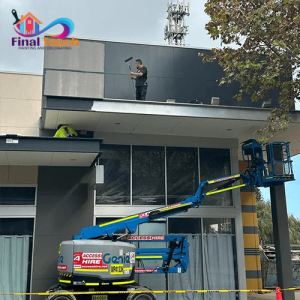
Commercial painting serves offices, retail, hospitality, schools, warehouses and large strata complexes. Commercial painters have expertise in range of building materials and heavy-duty coatings. They coordinate with business owners or project managers to deliver durable finishes on tight schedules and with minimal operational impact.
Both residential and commercial painters aim for lasting protection and appealing results. In Perth, choosing the right type of contractor, one experienced in homes or one in businesses, is crucial for a high-quality finish and smooth project.
Let’s get into the detailed comparison:
Residential vs. Commercial Painting in Perth: 7 Key Differences

The painting needs of a home differ dramatically from a large commercial building. And recognising these differences is essential before hiring a painting contractor in Perth. Below are the 7 key distinctions that set residential and commercial painting apart.
1. Job Size & Project Complexity
Size is important. Commercial painting jobs are usually much bigger than residential ones.
- Residential Painting: This usually means painting houses, townhouses, or small apartment buildings. These jobs are fairly small and use standard ways to get to them, like ladders or small scaffolding. Most residential painting companies work on areas that are easy to get to and have clear boundaries. They don’t need big teams or complicated site logistics.
- Commercial Painting: This includes painting big buildings like offices, stores, warehouses, schools, and buildings with more than one floor. These jobs might need heavy machinery like boom lifts and cherry pickers, as well as big crews and advanced site management to handle more than one work front at a time. They often have to do with logistics, like working with other trades and around building operations.
Verdict: If you’re doing a lot of work or work in a high-rise, you’ll almost always need a commercial painting company with a lot of experience. A regular house painter might not have the tools or time.
2. Project Management
Commercial projects demand project managers. Residential jobs demand flexibility.
- Residential Painting: Usually more flexible. Homeowners coordinate with the painting contractor, often during daylight hours. Painters may work in phases room-by-room to minimise disruption. Especially if your home is still occupied.
- Commercial Painting: These projects mostly involve multiple contractors working in parallel such as electricians, carpenters, carpet fitters. Commercial painters need strong project-management skills to keep everything on track. Like scheduling work at night or on weekends when businesses are closed.
Verdict: Commercial jobs require tight coordination, after-hours scheduling, and professional project management. Residential painting, by contrast, fits around daily life.
3. Painting Services, Equipment & Materials Used
‘What you’re painting and how’ is totally different in commercial vs residential settings.
- Residential Painting: Contractors use tools like rollers, brushes and light-duty sprayers to work on surfaces common in homes (sheetrock, plasterboard, timber, and composite siding). The focus is on precision, smooth finishes and minimal disruption to your family’s life.
- Commercial / Industrial Painting: Requires much heavier-duty equipment and materials. Think industrial-grade coatings like epoxy, protective urethane. Expect access to boom lifts or cherry pickers for high facades and application techniques like electrostatic painting or sandblasting. These coatings are built to withstand foot traffic, strong sunlight and structural demands.
Verdict: Commercial painting services use specialised materials and equipment for safety, durability and efficiency. Whereas, residential painting contractors usually stick to traditional tools suited to houses.
4. Paint Finishes & Quality Paints Applied
Different areas need different kinds of finishes. Things that look good in a lounge won’t work in a factory.
- Residential Spaces: Homeowners tend to choose finishes like:
- Matte & Eggshell: These finishes have a soft look and are great for living rooms and bedrooms.
- Satin: It’s great for hallways and places with a lot of foot traffic.
- Semi-gloss: It’s best for kitchens, bathrooms, and places that need to be cleaned easily.
The quality of the paint is still important, but how it looks and feels are even more important.
- Commercial Properties: Durability is the most important thing. Areas with a lot of foot traffic need coatings that are tough and won’t fade, stain, or get scuffed. The harsh sun in Perth means that exterior coatings need to be UV-resistant. Finishes for industrial areas may also need to be resistant to chemicals or moisture.
Verdict: Pick finishes based on how they work. Residential settings care more about looks, while commercial sites care more about performance and durability.
5. Scheduling & On-Site Logistics
When painters work is just as important as how they do it.
- Painting homes: This usually happens during the day on weekdays when the homeowners are out or the rooms are empty. Painters work with the homeowner, which means more personal contact and freedom.
- Commercial painting: This work is usually done after business hours or on weekends so that it doesn’t get in the way of business. Commercial painting contractors are used to setting up work areas, making sure they are safe, and keeping operations running smoothly.
Verdict: For businesses, painting after hours is often necessary to keep things running smoothly. Daytime scheduling is usually fine (and easier) for homes.
6. Safety Standards & Regulations
Compliance and safety risk are magnified for commercial painting.
- Residential Painters: Must follow basic safety protocols (e.g., ladder safety, ventilation), but the regulatory burden is lighter. In Western Australia, painting practitioners and contractors must be registered for jobs over $1,000.
- Commercial Painters: Face severe safety and compliance obligations. In WA, registered contractors must adhere to WHS regulations, and contractors working on large or high-risk sites may need additional certifications.
Verdict: Always confirm that your contractor is registered if the job is over $1,000. Especially for commercial work, where compliance is critical.
7. Cost Differences & Budget Expectations
Painting a business isn’t the same dollar figure as painting your living room.
- Residential Painting: In Perth, interior house painting costs are around $45–$65 per m². Exterior painting typically ranges $55–$75 per m². Because homes are smaller, total costs are relatively manageable.
- Commercial Painting: Prices vary greatly depending on scale, coatings and access requirements. Commercial projects may factor in out-of-hours work, safety compliance and specialist finishes, with rates ranging accordingly.
Verdict: Commercial painting usually requires a larger overall budget. Make sure to request detailed, itemised quotes (surface prep, labour, coatings) for accurate comparison.
Residential vs. Commercial Painting: Quick Comparison
| Difference | Residential Painting | Commercial Painting |
| Job Size | Small-scale homes and units. | Large buildings and multi-storey sites. |
| Complexity | Simple access and surfaces. | Complex structures, high access, varied materials. |
| Project Management | Flexible, homeowner-led scheduling. | Strict timelines, coordination with multiple trades. |
| Tools & Materials | Light tools; paints for comfort and aesthetics. | Heavy machinery; industrial-grade coatings and techniques. |
| Finishes & Durability | Matte, satin, semi-gloss for style and ease of cleaning. | Hard-wearing, UV-resistant, moisture-resistant coatings. |
| Scheduling | Mostly daytime work. | After-hours/night work to avoid disruptions. |
| Cost | Lower cost due to smaller jobs. | Higher cost due to scale and specialised materials. |
When to Hire Residential vs Commercial Painters in Perth
Hire residential painters for houses, townhouses or apartments; interior room refreshes and feature walls; fences, decks or small exterior walls.
Example: A living room makeover or fence repaint is a classic residential job.
Hire commercial painters for offices, shops, hotels, schools and industrial sites; large or multi-storey exteriors; projects needing special coatings or tight timelines.
Example: A shopping center façade or a whole-office repaint needs commercial expertise.
Some painting companies like Final Touch Paint & Décor offer both services. They can assess your property; whether home or business, timeline and materials to recommend the right approach.
Generally, think “home = residential painter; business = commercial painter.”
Bottom Line
The differences between residential and commercial painting in Perth go far beyond the types of buildings involved. From the size of the project and scheduling to materials and regulations, each requires its own approach.
If you’re planning to repaint, be sure to hire the right contractor for your job. A home-oriented team for houses and apartments, or a seasoned commercial/industrial crew for large, business sites. Keep the factors above in mind, compare detailed quotes, and don’t just call the first name you find online. By choosing wisely, you’ll save time and money and ensure a quality finish that lasts.
Worried you picked the wrong painter and wasted time & money?
Hire Final Touch Paint & Décor for the Right Residential and Commercial Painting Services in Perth
Let Final Touch Paint & Décor assess your property (home or business) and give you a clear, itemised quote that explains every cost, timeline and finish – no surprises.
We specialise in both residential painting and commercial painting in Perth. Our team is fully licensed and insured. We use premium eco-friendly paints to keep your surfaces looking fresh and flawless.
FAQs
Do commercial painters work after hours in Perth?
Yes. Many commercial painters in Perth schedule after hours like nights or weekends to avoid disrupting business. Keep in mind after-hours work carries premium rates. Your quote should include a site safety plan for off-hours access.
How much does it cost to paint a house vs a commercial space in Perth?
Costs vary by size, prep and paint type. Interior house painting runs roughly $45–$65 per m², while standard offices or retail spaces might be $35–$60 per m². Specialty coatings like epoxy floor paint and after-hours work raise commercial prices. Always ask for itemised quotes with per-m² rates for an accurate comparison.
Which paints are best for exterior home painting in Perth’s climate?
Use high-quality UV-resistant acrylic exterior paints. These tough, flexible coatings expand and contract with heat without fading or cracking. Look for 100% acrylic brands; often labelled “exterior acrylic” and ask your painter about UV-protection and warranties. Avoid cheap paints. They won’t withstand Perth’s sun and coastal weather as long.
Can a residential painter do a strata or large multi-storey job?
Usually not. Tall or complex jobs need commercial-level equipment and crews. In WA, painters require special high-risk licenses to operate boom lifts or scaffolding. Before hiring, confirm the contractor has the necessary equipment and experience with similar multi-storey projects.